
In the wake of the COVID-19 pandemic, the landscape of work has drastically evolved. Remote work has become the new norm for countless professionals, blurring the lines between office and home environments. As companies adapt to this shift, optimizing office design for remote workers has emerged as a crucial consideration. Creating a workspace that fosters productivity, well-being, and connectivity is essential in ensuring that remote employees can thrive in their roles. By implementing thoughtful design strategies, organizations can support their remote workforce and enhance overall performance.
**Designing for Flexibility**
Embracing flexibility is key when optimizing office design for remote workers. With employees splitting their time between home and office spaces, it is important to create a versatile environment that can accommodate different work styles. Incorporating adjustable furniture, such as height-adjustable desks and movable partitions, allows individuals to customize their workspace based on their needs. This flexibility promotes comfort and ergonomics, enhancing productivity and overall satisfaction.
**Prioritizing Natural Light**
Natural light plays a significant role in promoting well-being and productivity. When designing office spaces for remote workers, it is essential to prioritize access to natural light. Positioning workstations near windows and incorporating glass partitions can help maximize daylight exposure. Natural light not only improves mood and energy levels but also reduces eye strain and enhances focus. By harnessing the benefits of natural light, organizations can create a more inviting and conducive work environment for remote employees.
**Creating Collaborative Zones**
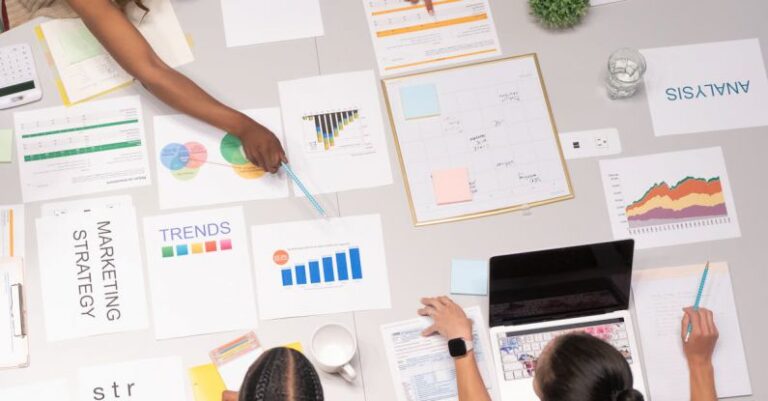
While remote work offers flexibility and autonomy, it can sometimes lead to feelings of isolation. To combat this, office design should include collaborative zones where remote workers can come together for meetings, brainstorming sessions, or casual interactions. Incorporating comfortable seating, writable surfaces, and technology solutions in these collaborative areas fosters creativity, communication, and teamwork. By creating spaces that encourage collaboration, organizations can strengthen connections among remote employees and promote a sense of community within the workforce.
**Embracing Biophilic Design**
Biophilic design, which integrates natural elements into the built environment, has been shown to enhance well-being and productivity. Incorporating biophilic elements such as plants, natural materials, and views of nature can have a positive impact on remote workers’ mental health and performance. Nature-inspired design elements can reduce stress, increase creativity, and promote a sense of calmness in the workplace. By embracing biophilic design principles, organizations can create a harmonious and rejuvenating work environment for remote employees.
**Utilizing Technology for Connectivity**
Effective communication and connectivity are essential for remote teams to collaborate successfully. Office design should integrate technology solutions that facilitate seamless communication and virtual collaboration. Video conferencing capabilities, interactive displays, and collaborative software tools can enhance remote workers’ ability to connect with colleagues, share ideas, and work together effectively. By leveraging technology for connectivity, organizations can bridge the physical distance between remote employees and create a cohesive virtual workspace.
**Adapting to Changing Needs**
As the nature of work continues to evolve, office design must adapt to meet the changing needs of remote workers. Flexibility, agility, and innovation are key principles to consider when optimizing office spaces for remote employees. Regularly soliciting feedback from remote workers, staying informed about design trends, and being open to experimentation are essential in creating a dynamic and engaging work environment. By staying attuned to the evolving needs of remote workers, organizations can ensure that their office design remains relevant and supportive in an ever-changing work landscape.
**In Summary**
Optimizing office design for remote workers is a multifaceted endeavor that requires careful consideration of factors such as flexibility, natural light, collaboration, biophilic design, and technology. By creating a workspace that prioritizes these elements, organizations can empower remote employees to be productive, engaged, and connected. As the boundaries between physical and virtual workspaces blur, thoughtful office design becomes increasingly important in supporting the well-being and performance of remote workers. By embracing innovative design strategies and staying responsive to changing needs, organizations can create a dynamic and inspiring work environment that enables remote employees to thrive.