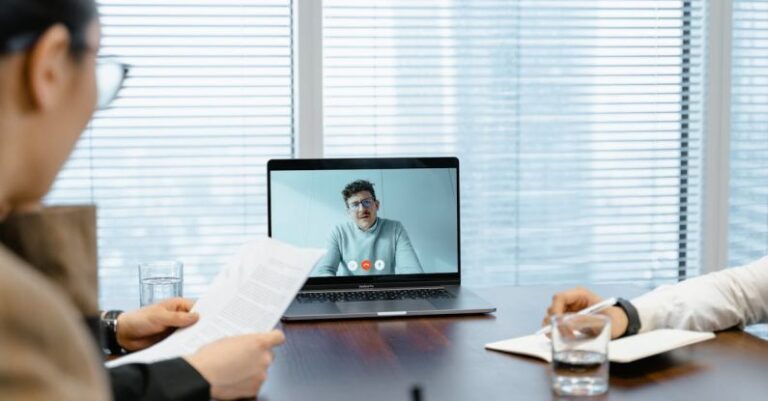

In today’s fast-paced world, the concept of work-life balance has become increasingly crucial, especially with the rise of remote work. While working from the comfort of your own home can offer flexibility and convenience, it can also blur the boundaries between work and personal life, making it challenging to maintain a healthy balance. To ensure that you can thrive in both your professional and personal life while working remotely, it is essential to establish effective strategies that promote harmony and well-being.
Establish Clear Boundaries
One of the key challenges of remote work is the lack of physical separation between your work and personal space. To maintain a healthy work-life balance, it is essential to establish clear boundaries between your work hours and personal time. Designate a specific area in your home as your workspace and use it exclusively for work-related activities. When your workday is over, make a conscious effort to disconnect and avoid checking work emails or messages outside of your designated working hours.
Create a Daily Routine
Maintaining a consistent daily routine can help you stay organized and focused while working remotely. Start your day by setting specific work goals and prioritizing tasks to ensure productivity. Schedule regular breaks throughout the day to rest and recharge, and establish a clear end time for your workday to prevent burnout. By creating a structured routine, you can maximize your efficiency during work hours and make time for personal activities outside of work.
Stay Active and Take Breaks
Sitting at a desk for extended periods can have negative effects on both your physical and mental well-being. To combat the sedentary nature of remote work, make an effort to incorporate physical activity into your daily routine. Take short breaks to stretch, walk around, or engage in quick exercises to boost your energy levels and improve focus. Additionally, consider setting up a standing desk or using a stability ball to promote better posture and reduce the risk of musculoskeletal issues.
Communicate Effectively
Effective communication is key to maintaining work-life balance while working remotely. Stay in touch with your colleagues and supervisors through regular check-ins, video calls, and instant messaging to ensure that everyone is on the same page. Clearly communicate your availability and boundaries to avoid potential misunderstandings and establish realistic expectations regarding workload and deadlines. By fostering open and transparent communication, you can build trust with your team and create a supportive work environment that promotes work-life balance.
Set Realistic Goals and Prioritize Self-care
When working remotely, it can be easy to blur the lines between work and personal life, leading to burnout and decreased well-being. To prevent this, set realistic goals and prioritize self-care to maintain a healthy work-life balance. Avoid overcommitting yourself and learn to say no when necessary to avoid spreading yourself too thin. Make time for activities that bring you joy and relaxation, such as hobbies, exercise, or spending time with loved ones. Remember that taking care of yourself is essential for maintaining productivity and overall happiness.
Find a Support System
Working remotely can sometimes feel isolating, making it essential to find a support system that can help you navigate the challenges of maintaining work-life balance. Reach out to colleagues, friends, or family members for social interaction and emotional support. Join online communities or networking groups for remote workers to connect with like-minded individuals and share experiences. Having a supportive network can provide encouragement, motivation, and a sense of belonging, helping you thrive in both your professional and personal life.
Embrace Flexibility and Adaptability
Flexibility is a hallmark of remote work, allowing you to tailor your schedule to fit your individual needs and preferences. Embrace this flexibility and adaptability to create a work environment that aligns with your lifestyle and goals. Experiment with different strategies for time management, productivity, and self-care to find what works best for you. Be open to adjusting your routine and boundaries as needed to maintain a healthy work-life balance that promotes well-being and success in both your professional and personal endeavors.
In conclusion, maintaining work-life balance in remote work requires intentional effort, discipline, and self-awareness. By establishing clear boundaries, creating a daily routine, staying active, communicating effectively, setting realistic goals, prioritizing self-care, finding a support system, and embracing flexibility, you can thrive in both your professional and personal life while working remotely. Remember that achieving work-life balance is an ongoing process that requires continuous evaluation and adjustment to ensure harmony and well-being in all aspects of your life.