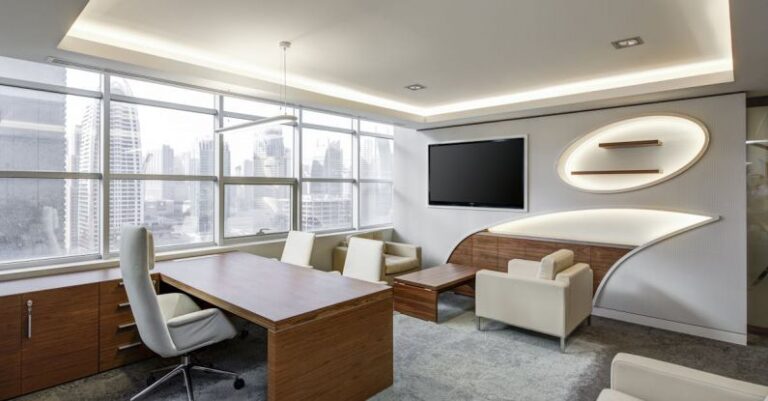

In the realm of office design, natural light is a crucial element that can significantly impact the ambiance and functionality of a workspace. The strategic use of natural light in office design not only enhances the aesthetic appeal but also contributes to the well-being and productivity of employees. By harnessing the power of natural light, organizations can create a more comfortable and inspiring work environment. Let’s delve into some effective strategies on how to integrate natural light into office design seamlessly.
**Maximizing Window Space**
Windows are the primary source of natural light in any office space. To make the most of natural light, it is essential to maximize the window space in the design. Larger windows can allow more light to enter the workspace, creating a brighter and more inviting atmosphere. Position workstations and communal areas closer to windows to ensure that as many employees as possible benefit from the natural light. Additionally, consider installing floor-to-ceiling windows or skylights to flood the space with sunlight throughout the day.
**Utilizing Glass Partitions**
Incorporating glass partitions in office design can help distribute natural light efficiently across different areas of the workspace. Glass walls allow light to pass through, creating a sense of openness and connectivity while maintaining privacy and delineating separate zones. By using glass partitions strategically, natural light can penetrate deeper into the office, reducing the reliance on artificial lighting and creating a more visually appealing environment.
**Choosing Light-Reflective Surfaces**
Selecting light-reflective surfaces for walls, ceilings, and furniture can amplify the effects of natural light in an office space. Light colors such as white, beige, or pastels can bounce light around the room, making it feel brighter and more spacious. Opt for glossy finishes or materials like glass, metal, or polished wood that can reflect and diffuse natural light effectively. By incorporating light-reflective surfaces in the design, you can enhance the luminosity of the space and create a visually stimulating environment.
**Strategic Placement of Mirrors**
Mirrors are a simple yet effective tool for maximizing natural light in office design. Placing mirrors opposite windows can help bounce light deeper into the room, brightening darker corners and creating the illusion of a larger space. Consider incorporating mirror panels on walls or furniture to reflect natural light and create a sense of depth and openness. By strategically positioning mirrors in the workspace, you can enhance the overall brightness and ambiance of the office.
**Optimizing Layout for Natural Light**
The layout of an office plays a crucial role in how natural light is distributed throughout the space. When designing the layout, consider the orientation of windows and how sunlight moves across the office during different times of the day. Arrange workstations, meeting areas, and communal spaces in a way that maximizes exposure to natural light. Avoid obstructing windows with bulky furniture or partitions that can block the flow of light. By optimizing the layout for natural light, you can create a bright and dynamic work environment that promotes productivity and well-being.
**Enhancing Comfort and Productivity**
Incorporating natural light into office design goes beyond aesthetics; it can have a profound impact on the well-being and productivity of employees. Exposure to natural light has been shown to boost mood, energy levels, and overall satisfaction in the workplace. By creating a workspace that is flooded with natural light, organizations can enhance the comfort and productivity of their employees, leading to a more positive and thriving work environment.
**Embracing Biophilic Design**
Biophilic design principles involve incorporating elements of nature into the built environment to create a more harmonious and human-centric space. Integrating biophilic elements such as plants, natural materials, and views of greenery can complement the use of natural light in office design. By bringing nature indoors, organizations can enhance the connection between employees and their environment, promoting well-being, creativity, and productivity. Embracing biophilic design in conjunction with natural light can transform an office space into a vibrant and inspiring setting that nurtures both the mind and body.
**Creating a Brighter Future**
In conclusion, harnessing the power of natural light in office design is a transformative strategy that can elevate the workplace experience for employees and organizations alike. By implementing thoughtful design choices such as maximizing window space, utilizing glass partitions, choosing light-reflective surfaces, and optimizing layout, organizations can create a bright, inviting, and productive work environment. Embracing natural light not only enhances the aesthetic appeal of an office but also contributes to the well-being and performance of individuals within it. By prioritizing natural light in office design, organizations can create a brighter future for their employees and cultivate a workspace that inspires creativity, collaboration, and success.