
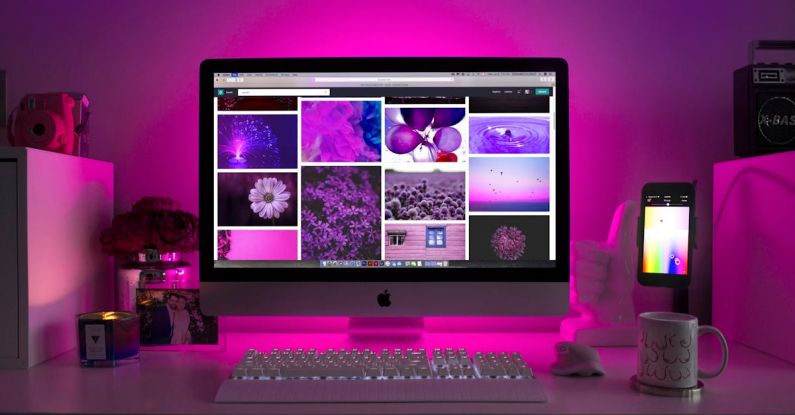
Creating a productive workspace is essential for maintaining focus and efficiency in your daily tasks. One often overlooked aspect of a workspace that can significantly impact productivity is the colors used in the environment. The colors surrounding us can influence our mood, energy levels, and overall well-being. Therefore, choosing the right colors for your workspace is crucial for fostering a productive and inspiring atmosphere.
Color Psychology in the Workplace
Color psychology is the study of how colors can affect human behavior and emotions. Different colors have the power to evoke various responses and feelings in individuals. When it comes to a workspace, selecting the appropriate colors can help create a conducive environment for work and creativity.
Blue: The Calming Hue
Blue is known for its calming and soothing properties. It is often associated with tranquility, peace, and productivity. Incorporating shades of blue into your workspace can help reduce stress and promote a sense of relaxation. Additionally, blue is said to enhance focus and concentration, making it an ideal color for tasks that require mental clarity and precision.
Green: The Color of Balance
Green is a color that symbolizes harmony, balance, and growth. It is commonly linked to nature and the outdoors, which can have a refreshing and rejuvenating effect on individuals. Green is known to promote a sense of balance and stability, making it a great choice for creating a harmonious workspace. This color is also believed to reduce eye strain, making it suitable for long hours of work in front of a screen.
Yellow: The Energetic Stimulant
Yellow is a vibrant and energetic color that can evoke feelings of happiness, optimism, and creativity. It is often associated with sunshine and warmth, making it a great choice for boosting mood and motivation in a workspace. Yellow is known to stimulate mental activity and promote a positive outlook, making it an excellent color for brainstorming and generating new ideas.
Red: The Color of Power
Red is a bold and powerful color that symbolizes passion, energy, and strength. It is a color that demands attention and can evoke strong emotions. Incorporating red into your workspace can help increase energy levels and drive, making it suitable for tasks that require high intensity and motivation. However, it is essential to use red in moderation as it can be overwhelming in large doses.
Neutral Colors: The Versatile Palette
Neutral colors such as white, gray, and beige are versatile options for a workspace. These colors provide a clean and sophisticated backdrop that can complement any style or aesthetic. Neutral colors are known for their calming and unobtrusive qualities, making them suitable for creating a serene and distraction-free environment. Additionally, neutral colors can help promote a sense of cleanliness and organization in a workspace.
Choosing the Right Color Scheme for Your Workspace
When selecting colors for your workspace, consider the type of work you do and the atmosphere you want to create. It is essential to strike a balance between personal preference and the desired effects of the colors you choose. Experiment with different color combinations to find what works best for you.
Incorporating multiple colors into your workspace can help create a dynamic and stimulating environment. Consider using a combination of calming and energizing colors to enhance different aspects of your work. Remember that the key is to create a space that inspires productivity and creativity while also reflecting your personal style and preferences.
Creating a Productive Workspace with Color
By understanding the impact of colors on our emotions and behaviors, we can harness the power of color psychology to create a productive workspace. Whether you prefer calming blues, energizing yellows, or powerful reds, selecting the right colors for your environment can make a significant difference in your focus, motivation, and overall well-being. Experiment with different color schemes and find what works best for you to design a workspace that inspires productivity and creativity.