
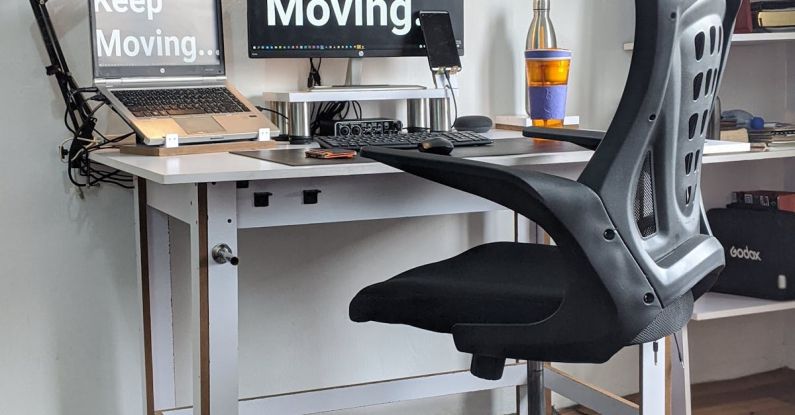
In today’s fast-paced work environment, the significance of ergonomics cannot be overstated. Creating a workspace that prioritizes the well-being and comfort of employees is essential for enhancing productivity, minimizing injuries, and promoting overall job satisfaction. Ergonomics, the science of designing tools, equipment, and workspaces to fit the capabilities and limitations of the human body, plays a crucial role in ensuring the health and efficiency of workers. Let’s delve into why ergonomics is so important in the workplace.
### Enhances Employee Health and Well-being
One of the primary reasons why ergonomics is vital in the workplace is its role in enhancing employee health and well-being. By designing workstations that are ergonomically sound, employers can help prevent musculoskeletal disorders such as carpal tunnel syndrome, tendinitis, and lower back pain. These conditions are often caused by repetitive motions, poor posture, and uncomfortable work setups. By investing in ergonomic furniture, tools, and equipment, employers can significantly reduce the risk of such injuries, leading to healthier and more satisfied employees.
### Boosts Productivity and Efficiency
Another compelling reason to prioritize ergonomics in the workplace is its positive impact on productivity and efficiency. When employees are comfortable and their workstations are optimized for their needs, they are able to focus better on their tasks and work more efficiently. Ergonomically designed chairs, desks, and computer setups can help reduce fatigue, discomfort, and distractions, allowing employees to concentrate on their work for longer periods without experiencing physical strain. This, in turn, leads to increased productivity and better overall performance.
### Reduces Absenteeism and Employee Turnover
Poor ergonomics in the workplace can contribute to employee absenteeism and turnover. When employees experience discomfort or pain due to poorly designed workstations, they are more likely to take sick days or seek employment elsewhere. High rates of absenteeism and turnover can be costly for businesses, leading to decreased productivity and increased recruitment and training expenses. By investing in ergonomics and creating a comfortable and safe work environment, employers can reduce the likelihood of employees missing work due to injuries or health issues, ultimately improving retention rates and reducing turnover costs.
### Improves Employee Engagement and Job Satisfaction
Employees who work in ergonomically optimized environments are more likely to be engaged and satisfied with their jobs. When employers demonstrate a commitment to their employees’ well-being by providing ergonomic workstations and tools, it fosters a sense of care and appreciation among the workforce. Employees who feel valued and supported by their employers are more likely to be motivated, productive, and loyal to the organization. By prioritizing ergonomics in the workplace, employers can create a positive work culture that promotes employee engagement and job satisfaction.
### Promotes a Culture of Safety and Wellness
Incorporating ergonomics into the workplace not only benefits employees on an individual level but also helps create a culture of safety and wellness within the organization. When ergonomics is a priority, employees are more likely to pay attention to their own health and safety practices, leading to a decrease in workplace accidents and injuries. By promoting a culture of safety and wellness, employers can demonstrate their commitment to the well-being of their employees and create a positive work environment where health and safety are valued.
### Conclusion: A Foundation for Success
In conclusion, ergonomics is a foundational element of a successful and thriving workplace. By prioritizing the design of workstations, tools, and equipment to fit the needs of employees, employers can enhance health, productivity, and job satisfaction. Investing in ergonomics not only benefits individual employees by reducing the risk of injuries and discomfort but also contributes to a positive work culture that values safety, wellness, and employee engagement. Ultimately, integrating ergonomics into the workplace is essential for creating an environment where employees can perform their best and thrive.