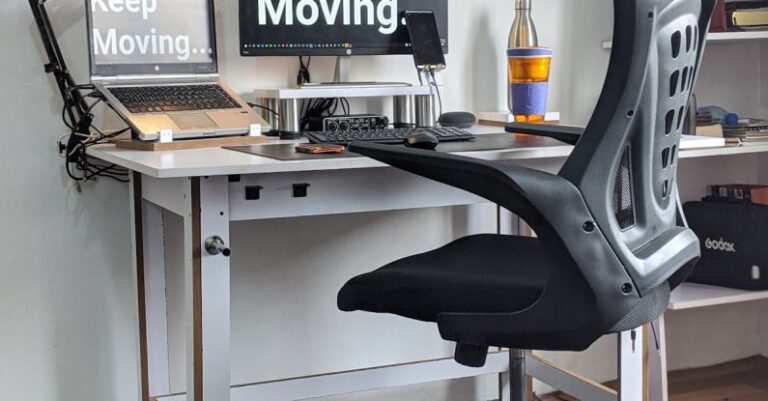

Creating a comfortable and ergonomic workspace is essential for maintaining good posture and preventing discomfort or pain in the body. One key aspect of achieving ergonomic support is choosing the right accessories for your workspace. From chairs to keyboards, selecting the best accessories can significantly impact your overall well-being and productivity. Here are some tips on how to choose the best accessories for ergonomic support.
**Assess Your Workspace Needs**
Before diving into the world of ergonomic accessories, take a moment to assess your workspace needs. Consider the tasks you perform regularly and how your current setup may be impacting your comfort and efficiency. Are you experiencing wrist pain from typing on a flat keyboard? Do you find yourself slouching in your chair after long hours of sitting? Identifying areas of discomfort or strain will guide you in selecting the right accessories to address these issues.
**Invest in a Quality Ergonomic Chair**
One of the most important accessories for ergonomic support is a good chair. Look for a chair that provides proper lumbar support to maintain the natural curve of your spine. Adjustable armrests and seat height are also crucial features to ensure that you can customize the chair to fit your body comfortably. A chair with a breathable fabric and ample cushioning will help prevent fatigue during long hours of sitting.
**Choose a Keyboard and Mouse Combo**
Typing on a keyboard and using a mouse for extended periods can strain your wrists and hands if not positioned correctly. Opt for an ergonomic keyboard that promotes a more natural wrist position to reduce the risk of developing carpal tunnel syndrome or other repetitive strain injuries. A mouse that fits comfortably in your hand and allows for smooth movement without excessive strain is also essential. Consider using a mouse pad with a gel wrist rest to provide additional support during long work sessions.
**Adjust Your Monitor Height**
Proper monitor height is crucial for maintaining good posture and reducing strain on your neck and eyes. Position your monitor at eye level to prevent tilting your head up or down while working. If your monitor is not adjustable, consider using a monitor riser or stand to achieve the ideal height. Additionally, ensure that the screen is at arm’s length away from you to reduce eye strain and glare.
**Utilize Footrests and Anti-Fatigue Mats**
Supporting your feet and legs is another aspect of ergonomic comfort that is often overlooked. A footrest can help reduce pressure on your lower back and improve circulation in your legs. Choose a footrest that allows you to adjust the height to find the most comfortable position for your feet. An anti-fatigue mat can also be beneficial for reducing strain on your legs and feet when standing for long periods at a standing desk.
**Evaluate Lighting and Temperature**
In addition to ergonomic accessories, consider the lighting and temperature of your workspace. Proper lighting can help reduce eye strain and improve focus, while maintaining a comfortable temperature can prevent discomfort and distractions. Position your desk near natural light sources whenever possible and use task lighting to illuminate your work area effectively. Adjust the temperature of your workspace to a comfortable level to promote productivity and well-being.
**Enhance Your Workspace with Personal Touches**
Creating a workspace that reflects your personality and preferences can enhance your overall comfort and enjoyment while working. Consider adding plants, artwork, or other personal touches to make your workspace inviting and inspiring. A clutter-free and organized workspace can also contribute to a more productive and stress-free environment.
**Optimize Your Workstation for Comfort and Efficiency**
By incorporating ergonomic accessories into your workspace, you can optimize your workstation for comfort and efficiency. Choosing the right chair, keyboard, mouse, monitor setup, footrest, and lighting can significantly impact your well-being and productivity. Evaluate your workspace needs, invest in quality accessories, and personalize your workspace to create a comfortable and ergonomic environment that supports your health and performance.