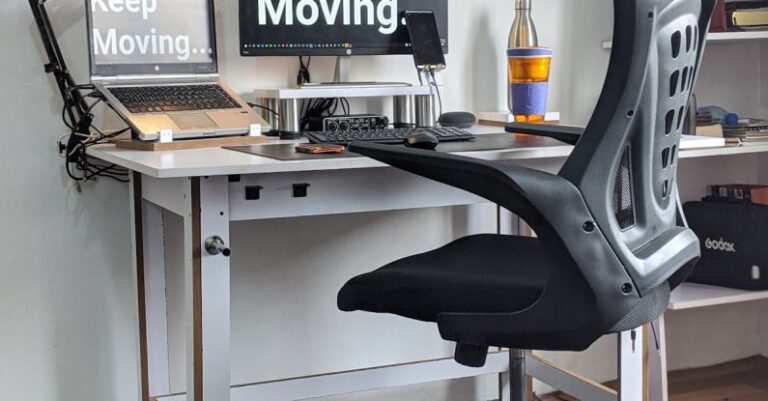

Ergonomic keyboards have become increasingly popular in recent years as people become more aware of the importance of maintaining good posture and preventing repetitive strain injuries. These specially designed keyboards are created with the user’s comfort and health in mind, offering a range of benefits that can improve overall well-being and productivity.
Enhanced Comfort and Reduced Strain
The primary benefit of ergonomic keyboards is the enhanced comfort they provide during extended typing sessions. Traditional keyboards often force users to bend their wrists at unnatural angles, leading to discomfort and strain. In contrast, ergonomic keyboards are designed to promote a more natural hand position, with features such as split key layouts, curved designs, and adjustable angles that help reduce strain on the wrists and hands. By allowing users to maintain a more neutral wrist position, ergonomic keyboards can help prevent conditions such as carpal tunnel syndrome and tendonitis.
Improved Posture
Another significant benefit of ergonomic keyboards is their ability to promote better posture while typing. Many people tend to hunch over their keyboards, leading to neck, shoulder, and back pain over time. Ergonomic keyboards are often designed with features such as tented designs and wrist rests that encourage users to sit up straight and maintain proper alignment of the spine. By promoting better posture, ergonomic keyboards can help reduce the risk of developing musculoskeletal issues associated with poor ergonomics.
Increased Typing Speed and Accuracy
Ergonomic keyboards are not just beneficial for physical health; they can also improve typing speed and accuracy. The layout of ergonomic keyboards is often optimized for efficiency, with keys positioned in a way that reduces the need for excessive reaching and stretching. This can help users type more quickly and with fewer errors, ultimately leading to increased productivity. Additionally, the reduced strain on the hands and wrists can help prevent fatigue during long typing sessions, allowing users to maintain their performance levels for longer periods.
Customizable Options for Individual Needs
One of the key advantages of ergonomic keyboards is the wide range of customizable options available to suit individual preferences and needs. Whether you prefer a split keyboard, a curved design, or a more traditional layout with added ergonomic features, there is likely an ergonomic keyboard that will meet your requirements. Some ergonomic keyboards even offer programmable keys, adjustable tilt angles, and wrist support pads that can be tailored to your specific comfort and typing style. By allowing users to customize their keyboards to fit their unique needs, ergonomic keyboards can provide a personalized typing experience that enhances comfort and productivity.
Prevention of Work-Related Injuries
By promoting better ergonomics and reducing strain on the hands, wrists, and upper body, ergonomic keyboards can help prevent work-related injuries that result from prolonged computer use. In today’s digital age, many people spend hours each day typing on keyboards, leading to an increased risk of developing repetitive strain injuries and other musculoskeletal issues. Investing in an ergonomic keyboard can be a proactive step towards preventing these injuries and maintaining long-term health and well-being.
In conclusion, ergonomic keyboards offer a range of benefits that can improve comfort, posture, typing efficiency, and overall health. By prioritizing ergonomics and customization, these keyboards provide a tailored solution for individuals looking to enhance their typing experience and reduce the risk of work-related injuries. Whether you are a professional typist, a gamer, or someone who spends hours on the computer each day, investing in an ergonomic keyboard could make a significant difference in your comfort and productivity.